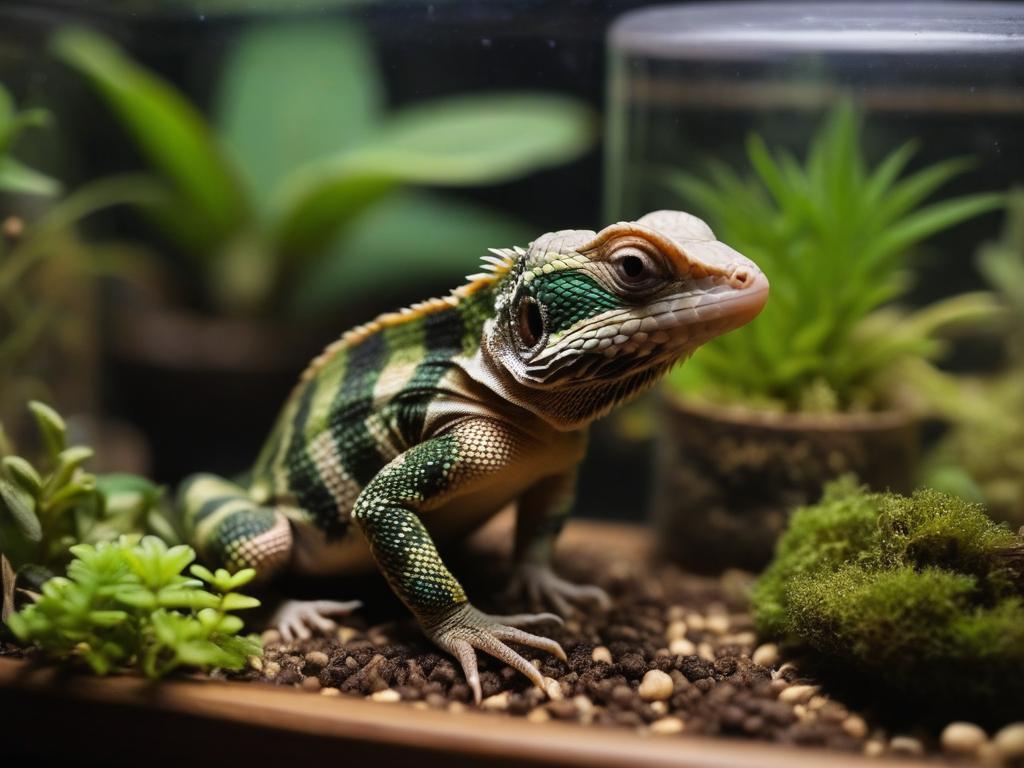
I have spent years keeping exotic pets. Here is what actually works.
Designing a habitat for your reptile requires balancing aesthetics with critical biological needs. Unlike standard room decor, terrariums must facilitate temperature gradients, humidity levels, and security for the animal’s physical health. Below is an expert breakdown of essential components and how to integrate them safely.
1. Thermal Regulation
The most critical aspect of any enclosure is heat. Without proper thermal gradients, reptiles cannot regulate their body temperature, leading to digestive issues or metabolic bone disease.
- Ceramic Heat Emitter: This is the industry standard for providing steady heat without emitting visible light, which allows your reptile to maintain a natural day/night cycle. Unlike infrared bulbs, these do not disturb sleep patterns during the night.
- Ensure you pair this with an under-tank heater for cold-side gradients, and always use a thermostat to prevent overheating risks.
2. Structural Enrichment
Hiding spots are mandatory for reptiles to feel secure enough to eat and explore. They need vertical and horizontal elements to climb and burrow according to their natural instincts.
- Natural Cork Bark Logs: These provide textured, safe climbing surfaces that mimic a forest environment. Unlike plastic vines, cork is breathable and naturally resistant to mold if cleaned regularly.
- Place logs securely so they cannot fall on the reptile. Drill holes for ventilation if the bark blocks airflow excessively.
3. Environmental Enrichment
Aesthetic greenery adds value, but it must be non-toxic and appropriate for the specific species’ humidity requirements.
- Live Scape Moss Kit: This introduces live plants like ferns or moss that help buffer humidity levels and provide additional cover. Ensure you research toxicity lists to confirm safety for your specific species.
- Avoid treated wood or artificial silk plants which can be ingested and cause blockage. Regular pruning is required to maintain airflow through the greenery.
Final Setup Checklist
- Verify temperature probes with a thermometer gun.
- Ensure all hides are secure and cannot crush the animal if it jumps.
- Allow the terrarium to cycle for at least 24 hours before introducing the pet.
By combining Ceramic Heat Emitter technology, sturdy bark structures, and safe vegetation, you create a sanctuary that promotes long-term health. Always monitor your reptile’s behavior closely during the first week of setup adjustments.