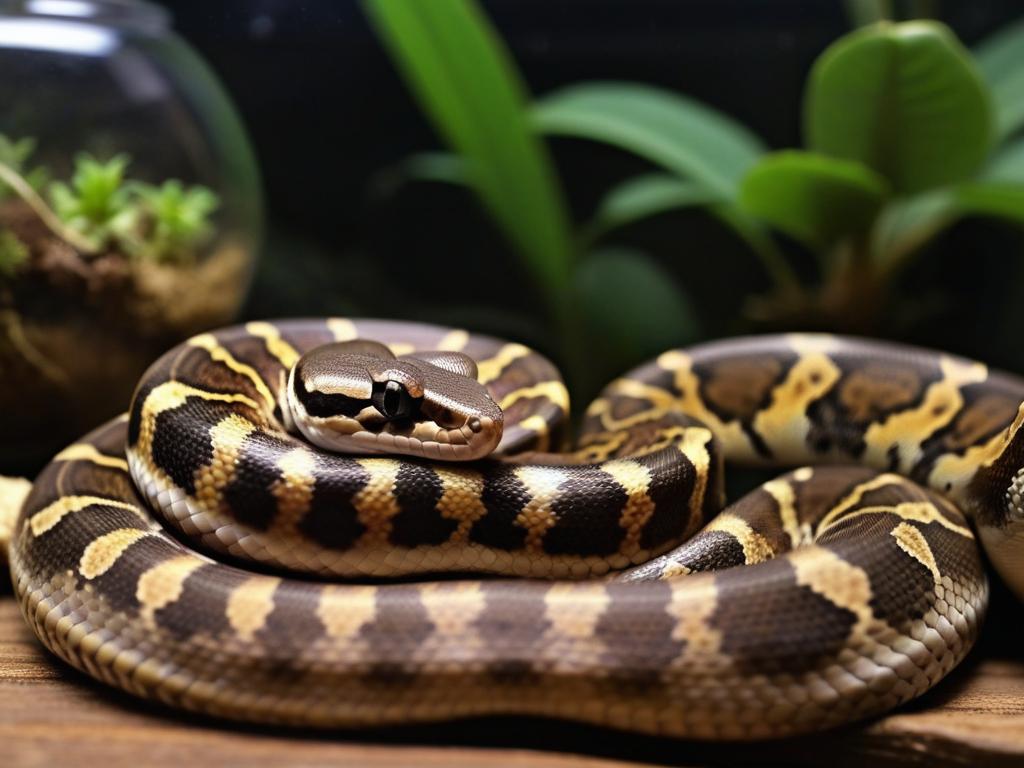
I have spent years keeping exotic pets. Here is what actually works.
Maintaining optimal humidity levels for a ball python is critical for proper shedding, respiratory health, and overall longevity. These snakes originate from the tropical rainforests of West Africa, where ambient moisture ranges significantly higher than typical indoor environments. Without intervention, low humidity can lead to retained sheds (dysecdysis), which can damage eyes or skin if not removed manually by an experienced keeper.
To achieve and maintain the target range of 60-70% during the day and slightly higher at night, you must utilize active monitoring and regulation tools. The most reliable method for tracking environmental moisture is through a high-quality digital hygrometer. Analog gauges often drift over time, leading to inaccurate readings that can put your snake at risk. Place this device in the cool end of the enclosure away from direct water sources to get an accurate ambient reading.
For active humidity management, consider integrating an automatic misting system. Manual spraying is inconsistent and labor-intensive, whereas automated timers allow you to set specific schedules that mimic tropical rain cycles without over-wetting the substrate. Ensure the timer is waterproof and compatible with your enclosure size to prevent mold growth from stagnant water.
Finally, provide a designated moisture zone using a humid hide. Even if the ambient humidity is correct in the cage, snakes require a specific microclimate to soak and shed properly. Fill this hide box with moist sphagnum moss or similar substrate to create a localized high-humidity environment that your ball python can access when needed. By combining consistent monitoring, active misting, and designated humid areas, you ensure a thriving habitat for your reptile companion.